
Reflection · 29 July 2026
The crisis is not where the risk starts
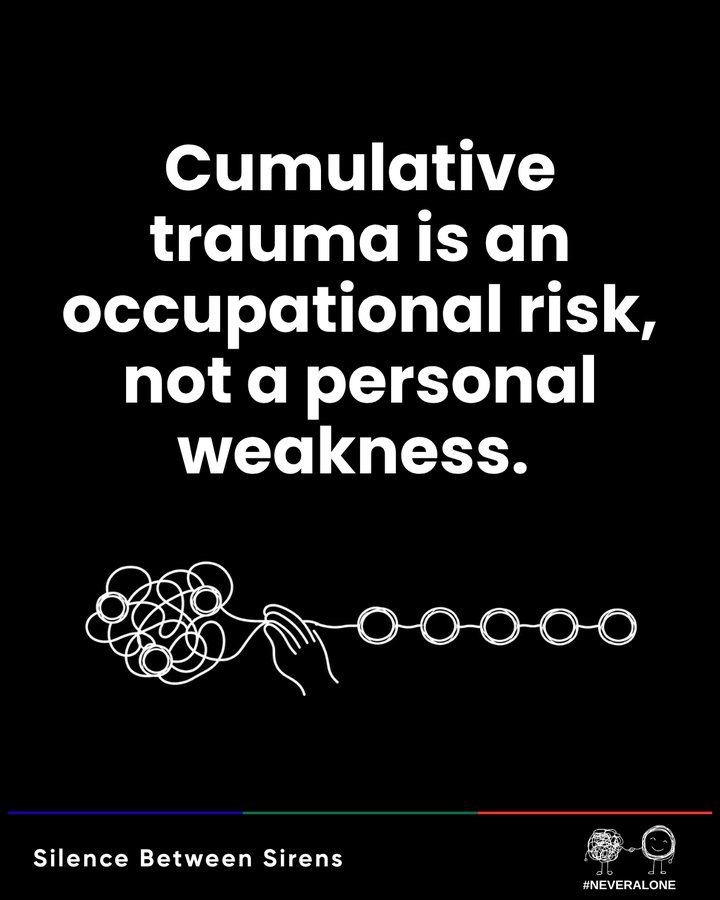
We picture the crisis as the dangerous moment. Often it is not.
The greatest risk builds in what follows an incident, not in the incident itself. Repeated exposure, with little room to process or recover, accumulates. It is carried quietly - between shifts, after the callout, away from anyone who might notice.
By the time someone reaches what looks like a crisis, the risk has usually been building for a long time. Weeks. Months. Sometimes years.
This matters, because it changes where support has to be. A service that only responds at the point of crisis is arriving at the end of a long process, not the start of one. The chances to reach someone come earlier: a change in how a colleague is showing up, a conversation that keeps not happening, a moment where someone decides not to speak.
Those moments are quiet, and easy to miss. That is exactly why they matter.
The question for any service is not only “what do we do in a crisis.” It is “what do we notice, and when.” Support that arrives early is support that works.
Originally shared on our social channels.